
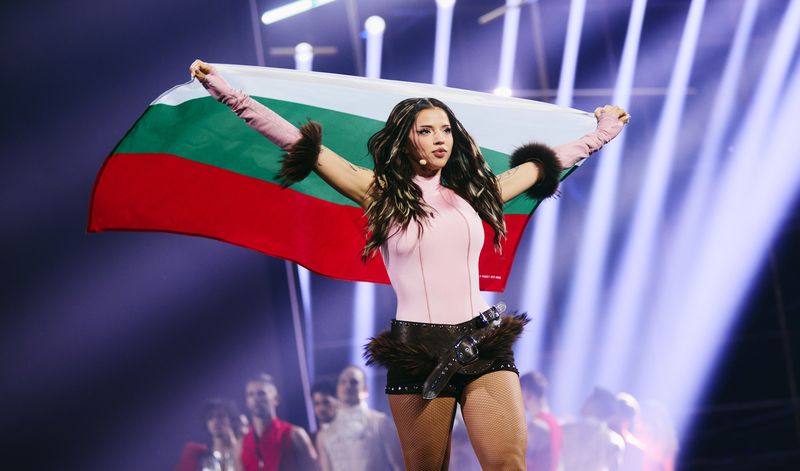
Eurovision 2026 is in the books, and this year’s Contest was surprising – shocking? – in several meaningful ways. But with the benefit of hindsight, was it surprising? Here are five things that happened.
What had happened was the jury votes were significantly more diverse this year, and I think that is due to big changes the Contest made to the juries. I believe each of these had a major impact, and the latter two were game-changers.
- The number of jurors on each country’s panel was increased from five to seven members. This lessened the impact of any single individual juror.
- To better represent the taste of younger demographics, every national jury had to include at least two members aged 18 to 25.
- Juries could widen their mix of industry professionals to include music journalists, critics, music educators, and creative staging professionals, such as choreographers and stage directors.
I can’t stress enough how much I think the changes to the jury vote impacted this year’s Contest. A younger demographic and broader, fresher perspectives from a performance aspect meant we weren’t going to get traditional results.
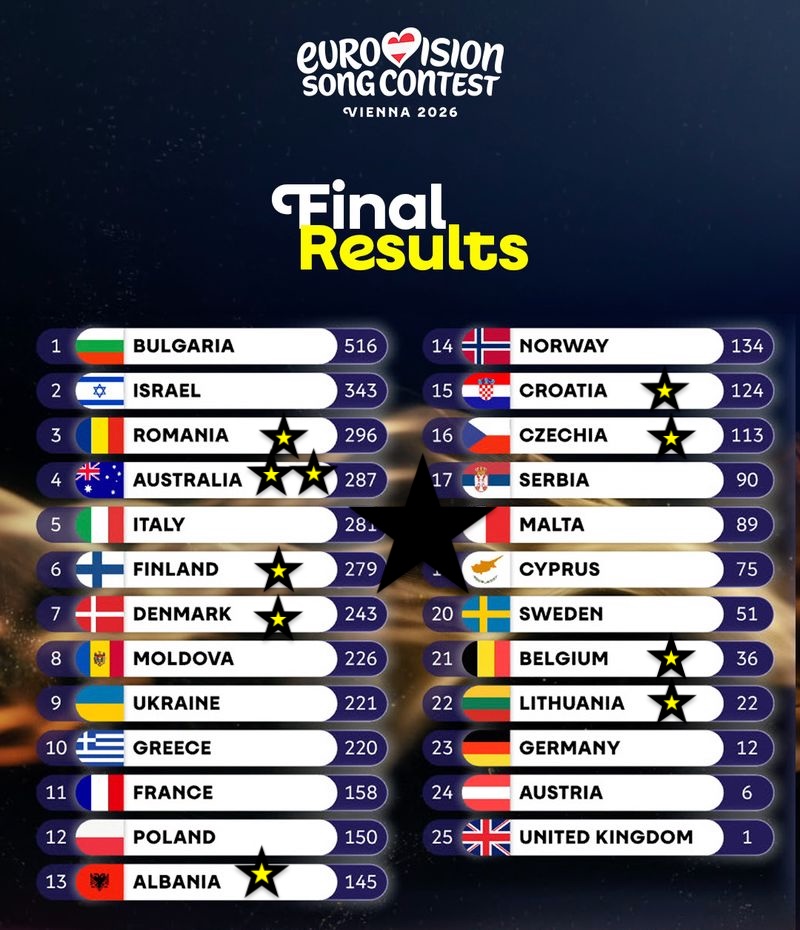
What had happened was Bulgaria’s victory was HUGE!!! They won both the jury vote and televote, and their total margin over runner-up Israel was 173 points. That is the largest margin of victory since 2009, when jury and televoting data were first made available1. And it was more than Ukraine’s 165-point winning margin in 2022, likely a show of solidarity due to the Russian invasion2. Bulgaria’s win isn’t just surprising but also historically noteworthy.
What had happened was the Semifinal Voting Results. Recall that the Contest announces the Semi-Final qualifiers in no particular order. We don’t learn where they ranked among their competition until the results are released later in the evening after the Contest. Had we known, we would have realized that NONE of the favorites were going to win, because what had happened was that NONE of them even won their Semi-Finals:
- Semi-Final 1 Top Three: Israel, Poland, Finland. Greece finished seventh!
- Semi-Final 2 Top Three: Bulgaria, Romania, Australia.
Boom! The Semi-Final winners finished first and second overall. And Romania (3rd overall) finished their Semi ahead of Australia.
What had happened was the Marcel Bezençon Awards. Given just before the Grand Final, they also had clues that warned us that the favorites might be in trouble. Named for the creator of Eurovision, three awards are presented:
- The Media Award – voted on by accredited media covering the contest.
- The Artistic Award – voted on by the commentators from each participating broadcaster.
- The Composer Award – determined by a panel of the participating composers at the contest. It is awarded to the best and most original musical composition.
This year’s winners were:
- Media Award (the best entry or song overall) – Australia.
- Artistic Award (best artist or performance, judged on performance skills and stage presentation) – Bulgaria.
- Composers Award – Denmark.
I did watch the presentation of these awards before the Grand Final, and I did think – probably confirmation bias – the Media Award foreshadowed Australia winning the Contest. But alarm bells went off when Bulgaria defeated Australia, Finland, and Greece for the Artistic Award for performance and stage presentation. And those same alarms went off when Denmark won over Finland for song composition.3
What had happened was in the end, my research on the oddsmakers was validated! The last odds before the Grand Final had Bulgaria having climbed to third favorite behind Finland and Australia. Historically, when the betting favorite doesn’t win, the winner is most likely the second or third favorite. That said, this was the first year that the favorite failed to finish in the top three – Finland finished sixth(!). Another shocking result from this year.
And that’s what had happened in Eurovision 2026. What’s going to happen in 2027? Punditry is fun, but ultimately, the essence of Eurovision is its mercurial nature. When 165 million people around the world engage with three dozen songs, the music gods stir their spirits in unpredictable ways. All we can be sure of is that it won’t be anything like this year. I already can’t wait to see what next year’s Contest will bring.
P.S. My votes are starred below.


Leave a comment